
Mold Remediation & Water Damage Restoration: Containment, Remediation & Structural Repair
Mold remediation is not the same as water cleanup. They are two separate, connected phases.
The window between water intrusion and active mold growth is measured in days.
Water damage and mold remediation require two distinct phases, both done right
Water intrusion (the entry of water into a building through roof failure, burst pipes, flooding, or envelope breaches) creates visible damage fast. Property owners address the standing water. What they miss is what happens next.
Moisture trapped inside wall cavities, subfloor assemblies, and insulation continues creating conditions for biological growth long after visible water is gone. That process is called moisture migration, and it's invisible until it becomes a mold problem.
Moisture mitigation
The systematic removal of excess moisture from building assemblies using drying equipment, dehumidification, and controlled airflow, returning materials to acceptable moisture content levels before remediation or reconstruction begins.
Mold remediation
The process of identifying, containing, removing, and treating mold growth inside a building, including disposal of contaminated materials and surface treatment to prevent recurrence.
Philadelphia's building stock makes moisture intrusion a structural risk, not just a surface problem
Older buildings hold water in ways newer construction doesn't, and that changes how remediation must be scoped.
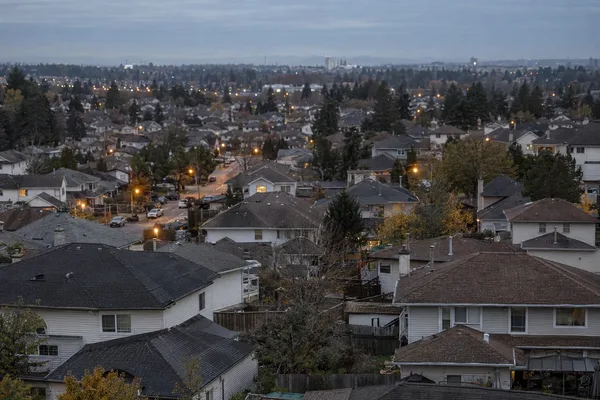
Philadelphia's housing and commercial stock skews heavily pre-1950. Many properties still carry original plaster walls, older dimensional lumber framing, and building envelopes that were never designed to manage the moisture load of modern HVAC systems layered on top.
Here's what most property owners don't realize about older building assemblies: when water intrudes into a plaster-and-lath wall cavity, the assembly holds moisture at a rate that modern drywall construction does not. Drying timelines are longer. Hidden mold growth is more common. Material removal decisions get more complicated when you're dealing with original structural elements.
TurnKey National dispatches water damage restoration crews from its Philadelphia base with direct experience in exactly this building type, and with the reach to serve properties in flood-prone regions and older building markets across all 50 states. When we scope a moisture mitigation project, we scope it for the building in front of us, not a generic template.
What a two-phase water damage project actually looks like in the field
The following reflects how TurnKey National approaches water damage and mold remediation projects firsthand.
A property manager contacted us about a commercial mixed-use building that had experienced a slow roof leak over a winter season. The leak had been patched. The interior had been dried, or so they believed.
When we walked the building, we took moisture readings across the upper-floor wall assemblies. Several cavities were still reading significantly elevated, weeks after the visible leak had been addressed. There was no visible mold yet. But the moisture content inside those wall sections was well above the threshold where mold development becomes a near-certainty.
Catching elevated moisture content before mold establishes itself changes the project scope dramatically. In this case, we extracted moisture through controlled drying and targeted material removal without a full wall demo. We established containment protocol (the physical barriers and negative air pressure systems that prevent mold spores from migrating to unaffected areas) while the drying process ran.
After drying was confirmed, we performed a room-by-room assessment and found two isolated pockets of mold growth in the subfloor assembly near a downspout connection. Those sections were removed, treated, and documented.
The property then moved directly into reconstruction: same crew, same project manager, same documentation chain. No re-scoping between a mitigation company and a separate general contractor.
Post-remediation verification (PRV), an inspection performed by a third-party industrial hygienist to confirm mold levels have returned to acceptable thresholds, was completed before reconstruction framing began. That report went directly to the property owner and their insurance carrier.
That's the sequence that works.
One contractor handles remediation and rebuild: here's why that matters
The handoff between remediation and reconstruction is where water damage projects most often break down.
When two separate companies handle different phases of a water damage project, you get two different scopes, two different documentation chains, and two different parties when something doesn't line up.
Your insurance carrier will ask for a complete Xactimate scope: a standardized line-item estimate format used by carriers and restoration contractors to document and price water damage work for insurance claim purposes. When that scope is built by one company and the rebuild is executed by another, scope gaps emerge that nobody owns.
TurnKey National builds the Xactimate-compatible scope and executes both phases. One project manager. One documentation file. One responsible party if the insurance adjuster has questions.
That continuity means our reconstruction crew already knows exactly what was removed, what was treated, and what the PRV confirmed, before they frame a single wall. No re-discovery period. No surprises in the rebuild.
Our standards for mold remediation & water damage restoration
Every water damage project follows a documented quality process, consistent across every crew and every project. TurnKey National is ISO certified: a quality management system standard requiring documented procedures, audited processes, and consistent execution across every project and every crew. In remediation work, that means:
Moisture mapping before any material removal
We read the building before we cut it.
Containment protocol established before remediation begins
Negative air pressure and physical barriers protect unaffected areas.
Documentation at every phase
Moisture readings, containment setup, material disposal records, and post-treatment surface confirmation.
Third-party PRV coordination
We support the industrial hygienist's inspection process and provide full access to documentation.
Xactimate-compatible scope preparation
Our project documentation works directly with insurance carrier review workflows.
Single-organization accountability
The same company that remediates signs off on the rebuild.
Our execution protocol: Phase 1 through rebuild
Our water damage restoration process runs in three documented stages: assessment, active remediation, and verified reconstruction.
Assessment & Moisture Mitigation
Every project begins with a physical moisture assessment. We use calibrated meters to map moisture content across wall assemblies, floors, ceilings, and subfloor systems. Thermal imaging identifies hidden pockets of trapped moisture behind finished surfaces.
From the moisture map, we build a drying plan. Industrial dehumidifiers, air movers, and where needed, in-wall drying systems are deployed. We re-read the building on a defined schedule: drying is not complete until materials reach acceptable moisture content levels confirmed by instrument, not by visual inspection or time elapsed.
Containment, Remediation & Material Removal
Once moisture is confirmed at acceptable levels (or in cases of confirmed active mold, before drying is finalized) we establish containment. Physical barriers and negative air pressure systems isolate the affected area. Workers wear appropriate PPE. Contaminated materials are bagged, labeled, and disposed of per protocol.
Post-Remediation Verification & Reconstruction
We coordinate the PRV inspection with a third-party industrial hygienist. Their clearance report is the gate to reconstruction. Once the space clears, our reconstruction crew takes over: same documentation chain, no re-scoping required.
Areas we serve
TurnKey National serves properties across all 50 states, dispatching from our Philadelphia operations base.
We regularly serve the entire Mid-Atlantic region (Pennsylvania, New Jersey, Delaware, Maryland, and New York) along with flood-prone and older-building markets nationwide. Whether your property is in a dense urban market or a regional secondary city, our crews reach it.
Frequently asked questions
Anything else goes faster on a call. 610-890-6975
Most projects move through assessment and active drying within 3-10 days, depending on material saturation levels. Mold remediation and PRV clearance add additional time before reconstruction begins. Reconstruction timelines vary by scope. The advantage of single-organization delivery is that no re-scoping delay occurs between phases: the rebuild crew starts with full documentation already in hand.
Cost is directly tied to affected square footage, material types, moisture saturation depth, and whether structural reconstruction is required after clearance. Contact TurnKey National at 610-890-6975 to describe your property and the water event: projects are scoped based on actual moisture mapping, not flat estimates.
Visible drying is not the same as confirmed drying. Moisture trapped inside wall cavities and subfloor assemblies does not evaporate the way surface water does. Standard fans and consumer dehumidifiers cannot reach the moisture content levels that prevent mold development inside assemblies. Professional moisture mapping with calibrated meters is the only way to confirm a structure is actually dry before remediation or reconstruction begins.
Yes. TurnKey builds Xactimate-compatible scope documentation throughout both project phases. Xactimate is the standardized line-item format insurance carriers use to review and price restoration claims. Because TurnKey manages remediation and reconstruction under one contract, the scope stays continuous. There is no gap between what the mitigation contractor documented and what the rebuild contractor actually did: a common source of adjuster disputes on split-vendor projects.
Post-remediation verification (PRV) is a third-party inspection confirming mold levels have returned to acceptable thresholds after remediation is complete. It is performed by an independent industrial hygienist, not the remediation contractor. Most insurance carriers require it before they fund reconstruction. TurnKey coordinates the PRV inspection and provides the hygienist with full documentation. Reconstruction does not begin until clearance is confirmed.
TurnKey handles moisture mitigation, containment, mold removal, and structural reconstruction under one contract. Standalone mitigation companies stop at clearance; a separate GC then re-scopes the rebuild with no direct knowledge of what was removed or treated. That handoff creates documentation gaps and scope disputes. TurnKey eliminates the handoff entirely. One project manager, one documentation chain, one responsible party from first moisture reading through final reconstruction walkthrough.