

Hotel & Hospitality Renovation: PIP Compliance & Phased Construction
A hotel renovation doesn't pause the reservation calendar. Both timelines run simultaneously, and the contractor's job is to manage both.
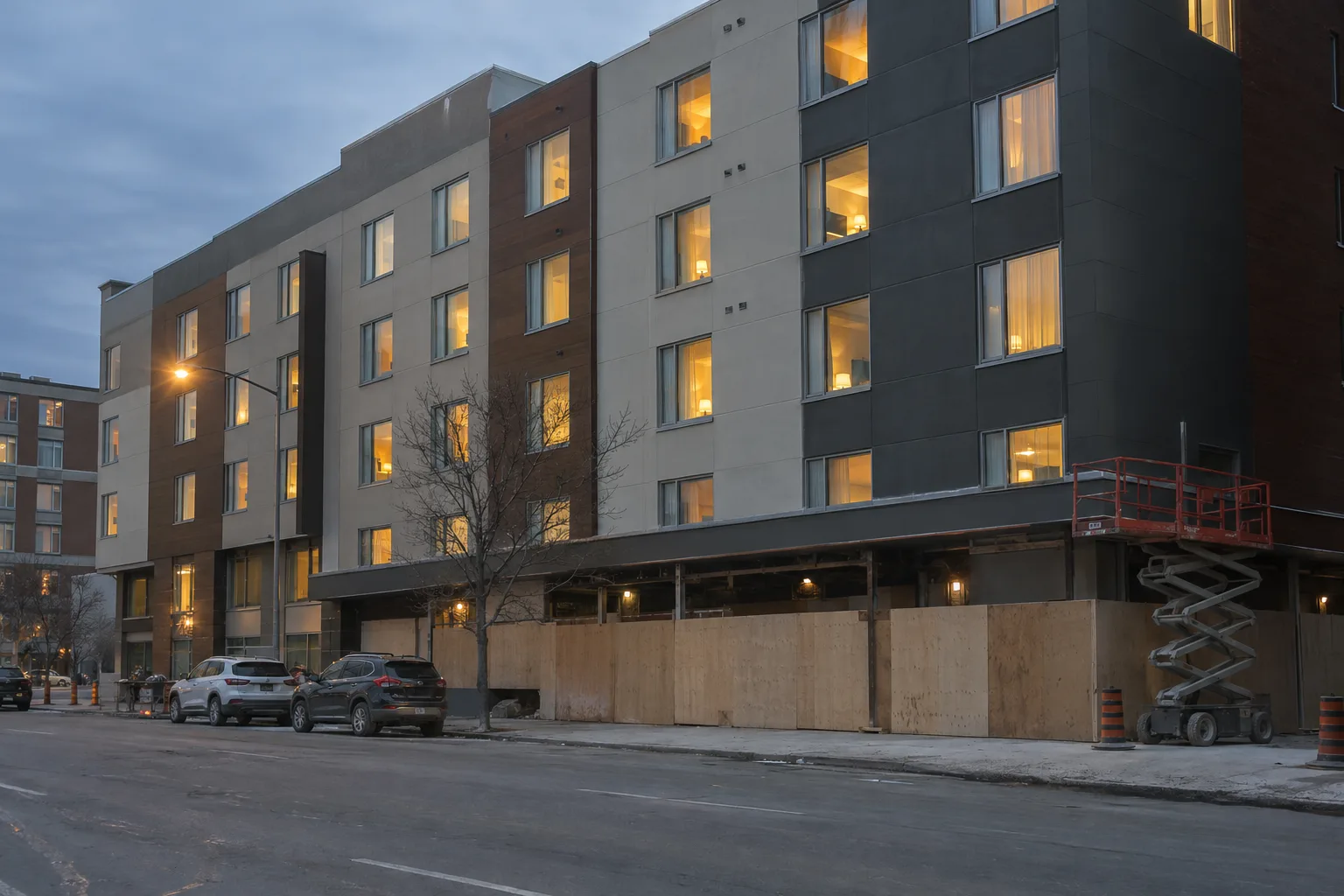
A hotel renovation has two schedules running at the same time
TurnKey National structures hotel renovation projects around phased construction sequencing: a delivery method where work advances floor by floor, wing by wing, or system by system in coordination with the property's live occupancy data.
The result is a renovation that moves forward without displacing revenue-generating rooms ahead of schedule or introducing guest-facing disruption that shows up in review scores.
This is the core operational challenge of hospitality renovation. TurnKey National is built to solve it.
Deployed nationally from Philadelphia, with hospitality markets covered
TurnKey National reaches every major hotel market in the country from its Philadelphia dispatch hub.
The Northeast hospitality corridor (Philadelphia, New York, Baltimore, Boston) represents one of the densest concentrations of branded hotel properties in the country. Many of those properties carry aging mechanical systems and finish packages that no longer meet current brand standards. TurnKey National crews move through these markets regularly.
The same deployment model extends nationally. Southeast resort markets, Midwest business travel corridors, and Sun Belt destination properties all fall within TurnKey's operating reach. Project management is coordinated directly between TurnKey's team and the property's general manager throughout the renovation period, not handed off to a regional sub who's never seen a Property Improvement Plan.
Hospitality markets
Philadelphia hubNortheast corridorAll 50 statesThirty-plus crews. One coordinating team. Every U.S. state.
How phased construction works inside an occupied property
Phased construction (dividing renovation work into sequential segments by floor, wing, or system) keeps a hotel open during major renovation.
Here's what that looks like on a mid-size branded property undergoing a full PIP renovation:
- Occupancy first
The renovation team reviews the property's rolling 90-day occupancy forecast before a single tool enters the building. High-occupancy blocks (weekends, conference seasons, local events) are locked out of the construction schedule. Work is scheduled into the low-occupancy windows the revenue data already identifies.
- Phase one, lowest-demand floor
Phase one targets the lowest-demand floor. Rooms are taken offline in groups of eight to twelve, depending on the property's sellable inventory cushion. Demolition, rough-in trades, and finish installation move through that group before the next cluster opens. Noise-generating work is scheduled between 9 AM and 5 PM on weekdays. Corridor dust barriers are installed before 7 AM and fully secured before the morning front desk shift.
- Each phase has its own baseline
The sequencing decision at the start of phase one determines whether phase three finishes on budget. If the first block runs over (due to unforeseen mechanical conditions, material lead times, or inspection delays) the whole schedule compresses. TurnKey scopes each phase independently, with its own cost and timeline baseline. A delay in phase one is a phase-one problem, not a full-project problem.
- FF&E by phase
FF&E (the furniture, fixtures, and equipment that arrive after rough-in and finish work are complete) is coordinated by phase, not by property. Deliveries are staggered to match the construction calendar. Guest elevator access is maintained throughout.
ISO 9001 certification governs TurnKey's documentation on every phase. Each phase completion is documented before the next phase opens.
PIP compliance: what franchise owners need to understand before construction starts
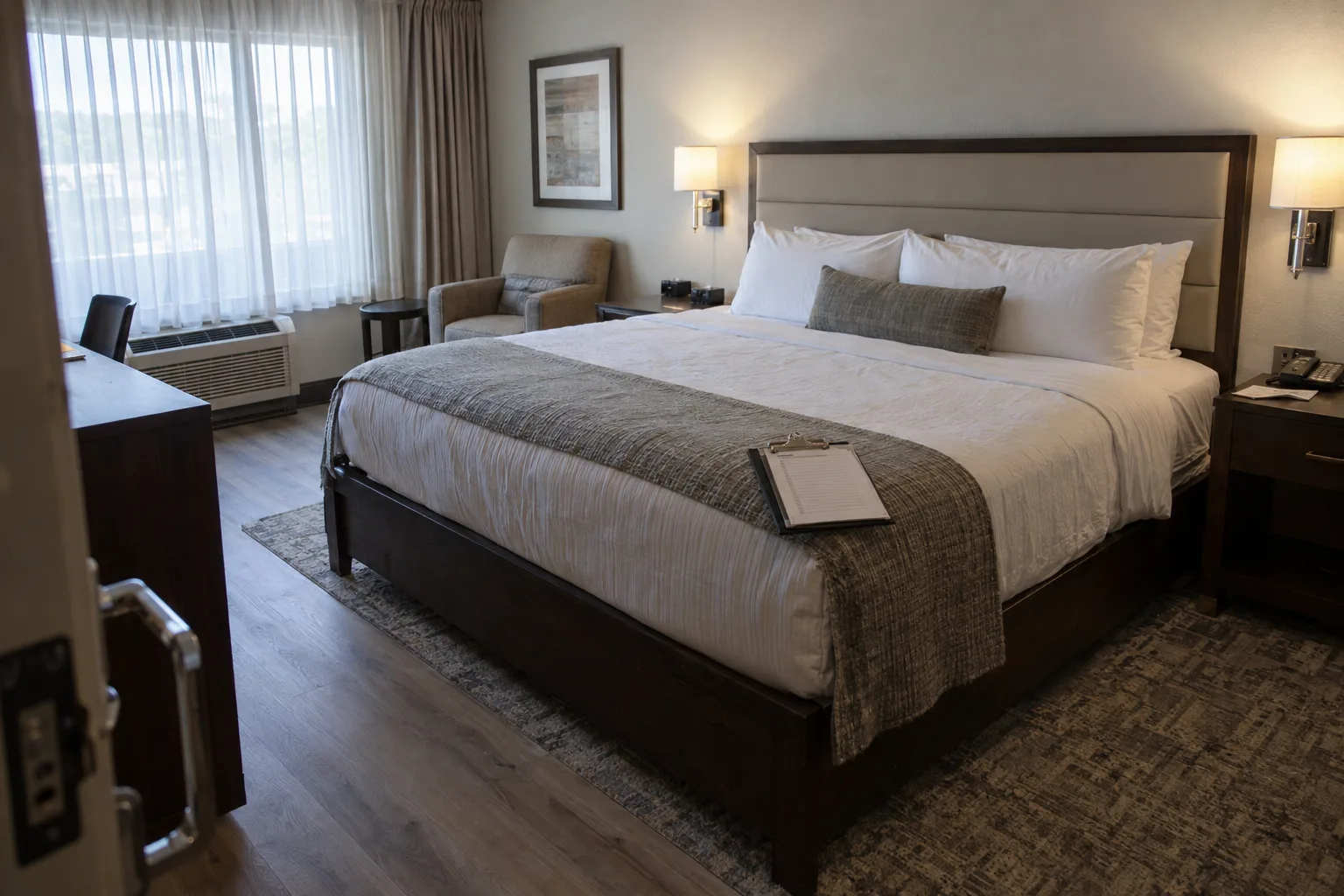
A Property Improvement Plan (the franchise brand's required renovation scope document) has legal and financial consequences when it falls behind schedule.
A Property Improvement Plan, or PIP, is the document a hotel franchise brand issues to specify exactly what upgrades a property must complete to maintain its brand affiliation or renew its franchise agreement. Non-compliance can mean loss of the brand flag, and with it, the distribution, loyalty program access, and rate premium that flag delivers.
TurnKey National's documentation process is structured around brand inspection readiness. Every scope item in the PIP is tracked against a completion record. Material specifications are documented against brand standards before installation. ADA compliance retrofits (the structural and finish modifications required to bring guest rooms and common areas into compliance with the Americans with Disabilities Act) are scoped and documented separately, since they often carry their own inspection timeline.
REIT asset managers (Real Estate Investment Trusts that own income-producing hotel portfolios) use TurnKey's phase completion documentation to track renovation progress across multiple flags simultaneously. The paperwork holds up to brand inspector scrutiny because it was designed to.
Renovation standards that support brand inspection outcomes
Every finish, system, and material selection on a hospitality project is documented against the PIP specification before it is installed. TurnKey National's renovation standards on hotel projects include:
PIP scope tracking
Each line item mapped to a completion record, not a general punch list.
Mechanical system replacement sequencing
HVAC, plumbing, and electrical replacement phased to maintain guest comfort in adjacent occupied areas.
Brand-standard material verification
Specified finishes confirmed against the brand's current design standards before procurement, not after delivery.
ADA compliance documentation
Guest room and common area modifications recorded with photo and measurement documentation for brand and DOJ compliance purposes.
FF&E coordination
Delivery and installation scheduled by phase to prevent staging conflicts in occupied corridors.
ISO 9001 process governance
Standardized quality management procedures applied to every phase of the renovation scope.
Three coats. Not two. The brand inspector notices.
TurnKey's hotel renovation execution protocol
The renovation sequence is set before mobilization, not adjusted after problems surface.
Property Condition Assessment & Occupancy Alignment
Before construction begins, TurnKey conducts a full property condition assessment. The mechanical systems (HVAC, plumbing, electrical) are evaluated against the PIP requirements and against the actual condition of the infrastructure. Surfacing unforeseen conditions before demolition protects both the cost baseline and the phasing schedule.
Phase-by-Phase Implementation
Work moves phase by phase. Each phase has its own scope, cost baseline, and completion milestone. Noise and dust protocols are enforced at the floor level, with corridor barriers separating active construction from occupied guest areas.
Post-Phase Documentation & Brand Inspection Readiness
Each completed phase is documented before the next phase opens. Phase completion records include finish verification, mechanical test results, ADA measurement confirmation, and photographic documentation.
Hotel renovation service areas across the U.S.
TurnKey National serves hotel and hospitality renovation clients across all 50 states.
Major deployment areas include the Northeast corridor, Mid-Atlantic markets, Southeast resort regions, Midwest business travel markets, and Sun Belt hospitality zones. TurnKey's Philadelphia operations hub coordinates project management and crew deployment for properties from New England to the Gulf Coast and beyond.
No U.S. market is outside operational reach.
Frequently asked questions
Anything else goes faster on a call. 610-890-6975
Most mid-size hotel PIP renovations run 6-18 months, depending on room count and scope. TurnKey sequences work in phases of 8-12 rooms at a time, tied to your occupancy calendar. Low-demand periods drive the construction windows. Each phase has its own completion milestone before the next opens.
Budget ranges vary widely: $15,000 to $75,000+ per room depending on brand standards, system conditions, and FF&E specifications. Mechanical replacement (HVAC, plumbing, electrical) adds the most cost variability. TurnKey scopes each phase separately, so cost overruns in one phase don't automatically affect the next. An accurate number requires a property condition assessment first.
Noise-generating work runs weekday daytime hours only. Corridor dust barriers go up before 7 AM and are secured before front desk shifts begin. Occupied floors stay separated from active construction zones at all times. Daily communication between TurnKey's team and your general manager keeps both schedules aligned.
TurnKey tracks every PIP line item against its own completion record, not a general punch list. Material specs are verified against brand standards before installation, not after delivery. ADA modifications are documented with photos and measurements. That package is built for brand inspector review from day one.
TurnKey coordinates FF&E delivery by phase, not by property-wide arrival. Deliveries are staggered to match the construction calendar for each room block. That prevents staging conflicts in occupied corridors. Your furniture doesn't sit in a hallway waiting for rough-in work to finish.
Yes. TurnKey National operates across all 50 states. Thirty-plus deployed crews cover Northeast, Southeast, Midwest, and Sun Belt hospitality markets. Project management is coordinated directly between TurnKey and your on-site general manager throughout the renovation. No market requires a handoff to an unvetted regional sub.