

Philadelphia Tenant Improvement Costs (2026 Guide): What to Budget and Why
May 28, 2026
- By
- Turnkey national
- Commercial General Contractor
Philadelphia tenant improvements in 2026 typically range from $40 to $120+ per square foot depending on scope, systems, and code upgrades. At Turnkey national, we’ve guided property owners and tenants through these projects for years of experience, and we’ve seen how quickly costs shift once permits, MEP upgrades, and accessibility requirements enter the picture. We recently walked a 3,000-square-foot retail space in Philadelphia where the tenant budgeted for paint, flooring, and lighting – only to discover the existing electrical service couldn’t handle new rooftop units. That oversight alone added five figures and several weeks. If you’re planning a build-out, understanding the full scope – permits, inspections, and compliance under the commercial general contracting process – prevents expensive surprises before the lease clock starts ticking.
A practical checklist to control cost, timeline, and compliance
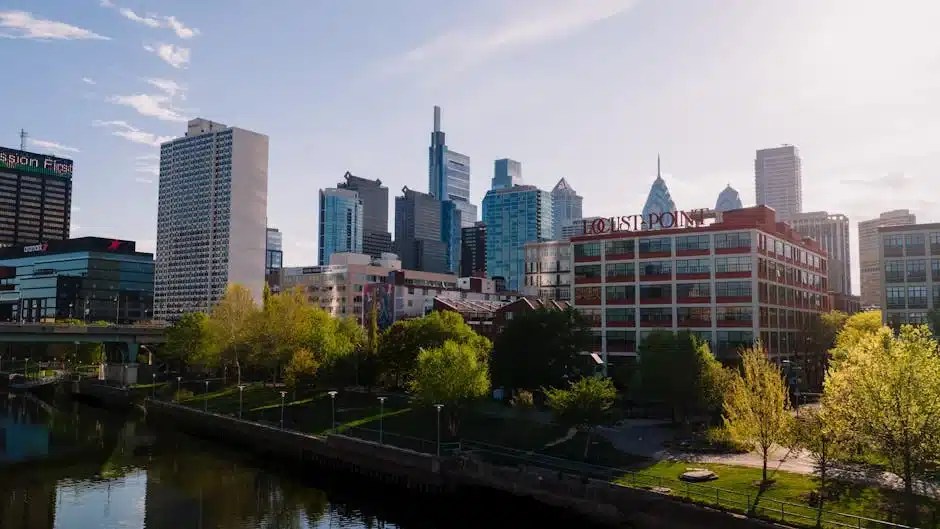
Successful tenant improvements begin with clarity: define scope, verify building systems, and align the design with code before demolition starts. The most effective projects invest time in pre-construction planning to avoid mid-project redesigns. Our team recommends this checklist before signing off on final budgets:
- Conduct a full building systems assessment. Inspect electrical panels, HVAC capacity, plumbing lines, and sprinkler coverage. Load calculations and Manual J/S reviews for HVAC prevent undersized systems.
- Confirm occupancy classification. A change from mercantile to assembly can trigger additional egress, fire separation, and restroom requirements under IBC.
- Engage licensed design professionals. Philadelphia requires sealed drawings for many commercial alterations. Mechanical, electrical, and plumbing (MEP) plans must reflect actual site conditions.
- Submit permits early through L&I. Plan review times vary; delayed submissions can push opening dates by weeks.
- Coordinate landlord approvals. Lease agreements often specify finish standards, insurance thresholds, and restoration clauses.

Where projects go over budget - and how to avoid it
Most overruns stem from incomplete scope definition and underestimating infrastructure upgrades. Tenants often focus on finishes – flooring, paint, branding – while mechanical and life-safety systems consume a larger portion of the budget. A client once tried to accelerate a 5,000-square-foot office build-out by overlapping demolition and permitting. When L&I required revised sprinkler drawings to meet NFPA 13 spacing requirements, work paused for nearly three weeks. The lease start date did not move, and the carrying cost exceeded the original savings attempt. Typical 2026 cost ranges in Philadelphia may include:
- Light office refresh (paint, carpet tile, lighting): $40 – $65 per square foot
- Full office reconfiguration with MEP updates: $65 – $100 per square foot
- Retail or restaurant build-out with plumbing and hood systems: $100 – $200+ per square foot
- Site complexity and existing building condition
- Material costs and specialty finishes
- Total project scope, including structural or MEP upgrades
Planning a Tenant Improvement in Philadelphia?
If you’re evaluating a lease or preparing for a build-out, a detailed pre-construction review can clarify your true investment before construction begins. We work with tenants and property owners to assess building systems, verify code requirements, and outline realistic budgets and timelines. Our approach focuses on identifying hidden conditions, confirming occupancy classifications, and coordinating with Philadelphia’s permitting process so you can make informed decisions. Whether you’re planning a light office refresh or a full restaurant conversion, a structured evaluation reduces financial risk and protects your opening date. Let’s review your space, discuss your goals, and provide clear next steps – without pressure or assumptions.

FAQs
What are typical Philadelphia tenant improvement costs per square foot in 2026?
In 2026, Philadelphia tenant improvement costs typically range from $40 to $120+ per square foot, depending on scope and building conditions. A light office refresh with paint, carpet tile, and LED lighting upgrades may fall near the lower end. Projects involving new partitions, upgraded HVAC, electrical panels, plumbing lines, or ADA restroom modifications trend higher. Costs increase significantly when a change of occupancy triggers additional fire protection, egress, or accessibility requirements under the Philadelphia Building Construction and Occupancy Code. Older buildings in Philadelphia often require infrastructure upgrades before cosmetic work begins. The most accurate way to estimate your project is to review as-built drawings, inspect existing systems, and confirm permit requirements through L&I before finalizing a lease or construction contract.
Who typically pays for tenant improvements - the landlord or the tenant?
Responsibility depends on the lease structure. In many Philadelphia commercial leases, landlords offer a Tenant Improvement (TI) allowance, often expressed as a dollar amount per square foot. That allowance may cover basic build-out items such as standard partitions, ceiling systems, and lighting. If the tenant’s design exceeds the allowance – such as adding custom millwork, specialty lighting, commercial kitchen equipment, or upgraded mechanical systems – the tenant typically funds the difference. Some landlords deliver spaces in “vanilla shell” condition, meaning the tenant covers most interior improvements. We advise clients to review lease language carefully, especially clauses addressing restoration, ownership of improvements, and who pays for code-required upgrades. Clear scope definition during lease negotiation prevents disputes and unexpected out-of-pocket expenses later.
How long does a tenant improvement project usually take in Philadelphia?
Timelines vary based on scope and permitting. A light cosmetic renovation may take 6 – 8 weeks from permit approval to completion. A full office reconfiguration or medical build-out might require 10 – 16 weeks. Restaurant projects with grease interceptors, upgraded gas service, and fire suppression systems can extend to 4 – 6 months. Project duration may fluctuate due to site complexity, material costs and availability, and the total scope of mechanical, electrical, and plumbing upgrades. Permit review times through L&I also influence scheduling, especially if plan revisions are required. Construction costs typically start around $40 per square foot for light improvements and may exceed $150 per square foot for complex build-outs. These figures are preliminary benchmarks for informational purposes only and do not constitute a binding quote. An on-site evaluation is required for a final proposal.
Can a tenant manage their own build-out without a general contractor?
For very small cosmetic upgrades – such as painting or replacing carpet in a small office – tenants may coordinate work directly with trades. However, once structural changes, MEP modifications, or permit submissions are involved, professional oversight becomes critical. Philadelphia requires licensed contractors for many trades, and permit applications often require sealed drawings. Coordinating electricians, plumbers, HVAC installers, and fire protection contractors without centralized management increases the risk of failed inspections or schedule conflicts. We’ve seen tenants attempt to self-manage larger projects, only to encounter rework when subcontractors interpreted drawings differently. A general contractor aligns scope, sequencing, inspections, and documentation, reducing liability and protecting your timeline – especially when lease commencement dates are fixed.
What warning signs suggest my tenant improvement budget is too low?
Budgets are often underestimated when infrastructure conditions are unknown. If the space hasn’t been renovated in decades, electrical panels may lack capacity, plumbing lines may not meet current code, and sprinkler layouts may require modification. Another warning sign is assuming your intended use matches the previous occupancy. A shift from retail to assembly, or office to medical, can trigger additional egress widths, restroom counts, or fire separation requirements. Limited or outdated as-built drawings also increase risk. Hidden conditions – such as corroded drain lines or non-compliant stair dimensions – can surface during demolition. Conducting a pre-lease building systems review and confirming occupancy classification early helps align your budget with real conditions in Philadelphia properties.
Are there unique challenges with older buildings in Philadelphia?
Yes. Many Philadelphia commercial properties predate current building codes. Older structures may contain legacy wiring, undersized ductwork, limited insulation, or structural layouts that complicate new mechanical runs. Historic properties may also fall under additional review if exterior changes are proposed. Internally, bringing restrooms, entrances, and routes into ADA compliance can require creative design solutions within tight footprints. We frequently encounter floor-to-floor heights that restrict duct routing, requiring low-profile VAV systems or soffit coordination. Thorough investigation before finalizing drawings prevents expensive mid-project redesigns and helps align your construction plan with the building’s actual constraints.
What should I look for when hiring a tenant improvement contractor?
Start with licensing and insurance. Contractors should carry appropriate Pennsylvania licensing where required, general liability coverage, and workers’ compensation insurance. Ask for references from recent Philadelphia commercial projects similar in scope to yours. Review their process for permitting through L&I and coordination with design professionals. A qualified contractor provides detailed scopes of work, transparent cost breakdowns, project schedules, and documented change order procedures. Look for experience managing subcontractors across trades – mechanical, electrical, plumbing, and fire protection – and familiarity with IBC and ADA compliance. Clear communication, documented inspections, and regular progress reporting indicate a contractor equipped to manage commercial tenant improvements effectively.
When should I schedule a professional evaluation before signing a lease?
Ideally, schedule a walkthrough before final lease execution. A pre-lease evaluation identifies building system limitations, potential code upgrades, and layout constraints that influence both budget and timeline. If you’ve already signed a lease but haven’t submitted for permits, a detailed assessment should occur before finalizing construction drawings. Watch for signs such as limited electrical capacity, visible water damage, outdated HVAC units, or unclear sprinkler coverage. Tenant improvements are not typically emergency services, but delaying evaluation can create financial urgency once rent commencement begins. Early coordination with design and construction professionals protects your investment and supports a smoother permitting and construction process in Philadelphia.