
How to Pass a Philadelphia Housing Quality Inspection: A Step-by-Step Playbook
June 23, 2026
- By
- Turnkey national
- Property Inspection & Compliance Specialists
Need a clear checklist for how to pass a Philadelphia Housing Quality Inspection without costly rechecks? At Turnkey national, we’ve been helping property owners prepare for inspections for years of experience, and we’ve seen exactly where landlords and homeowners get tripped up. This guide is for landlords, property managers, and homeowners who want a practical, step-by-step playbook – not vague advice. In one recent Philadelphia rowhome, the only issues were a missing GFCI outlet and a loose handrail, yet the failed inspection delayed move-in by three weeks. The biggest mistake we see is assuming “minor” items won’t matter. Housing Quality Inspections are detailed and documented. Miss one safety requirement and you risk failed inspections, withheld rental payments, legal exposure, and vacancy losses. Before you schedule, review your property against a structured checklist – or explore our property maintenance checklist to catch common red flags early.
Key Local Regulations and Safety Requirements
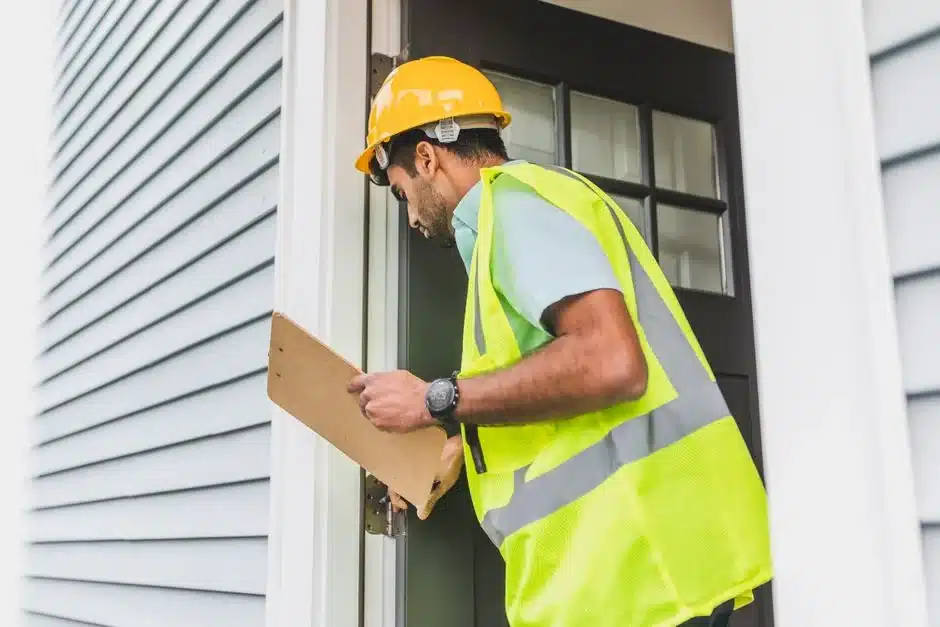
Philadelphia’s aging housing stock – especially pre-1960 rowhomes – means inspectors pay close attention to fire safety, lead exposure, and structural integrity. The city adopts Pennsylvania’s Uniform Construction Code while also enforcing its own Property Maintenance and Fire Codes. Failing to meet these standards can result in failed inspections, violation notices, fines, or rental license suspension.
- Philadelphia Property Maintenance Code (Title 4, Subcode PM) – Requires safe, sanitary, and structurally sound dwellings, including functioning plumbing, heating, and electrical systems. Consequences include code violations, fines, and failed inspections.
- Philadelphia Fire Code (Title 9) – Mandates smoke alarms, carbon monoxide alarms, and clear egress paths. Missing or expired devices commonly trigger inspection failure and potential penalties.
- Pennsylvania Uniform Construction Code (current adopted edition) – Governs building, electrical, plumbing, and mechanical standards statewide, as adopted by Philadelphia. Non-compliance may require permits, rework, and reinspection fees.
- Philadelphia Lead and Healthy Homes Program Requirements – Requires lead-safe or lead-free certification for many rental properties built before 1978. Missing certification can block rental licensing and voucher approval.
What to Fix First, What It May Cost, and How Long It Takes
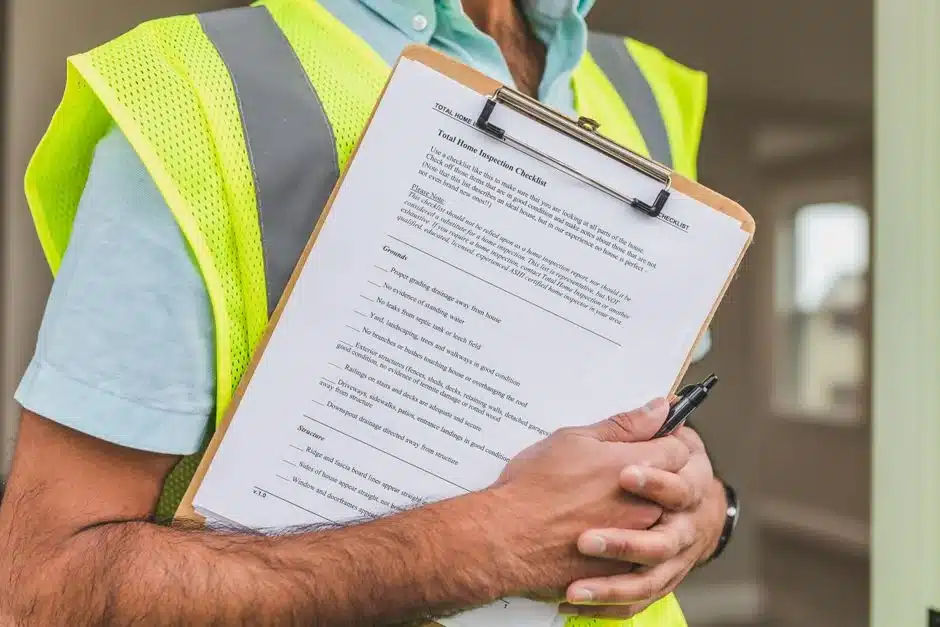
If your property fails, focus on life-safety issues first. Inspectors typically categorize deficiencies as emergency, 24-hour, or standard corrections. Address emergency items – such as gas leaks, inoperable smoke alarms, or exposed wiring – immediately before scheduling reinspection. We prioritize corrections in this order:
- Life safety: Smoke/CO alarms, egress windows, handrails, GFCIs.
- Major systems: Heating equipment, water heater venting, electrical hazards.
- Habitability: Leaks, damaged flooring, broken fixtures.
Schedule a Pre-Inspection Evaluation
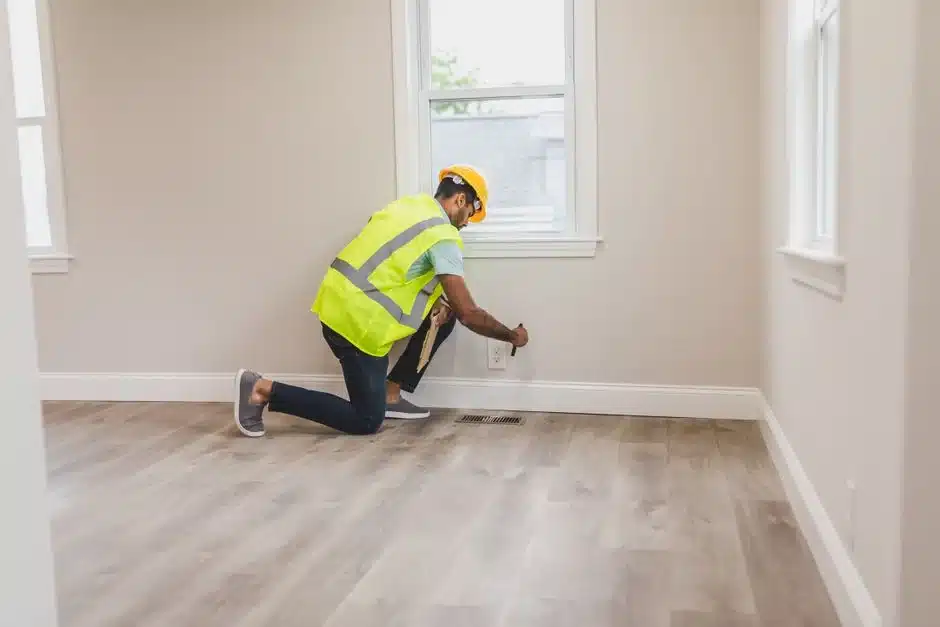
If you want to avoid delays, failed inspections, and lost rental income, a structured pre-inspection makes the difference. We evaluate your property against Philadelphia’s housing and safety standards, identify deficiencies, and provide a clear corrective action plan before the official inspector arrives. Our team documents repairs, verifies code alignment, and helps coordinate licensed trades when permits are required. Instead of guessing what an inspector will flag, you can move forward with confidence and a prioritized checklist. Whether you manage one unit or multiple properties, we help streamline the process so your inspection moves from scheduling to approval without unnecessary setbacks.
FAQs
What does a Philadelphia Housing Quality Inspection typically cover?
A Philadelphia Housing Quality Inspection focuses on health, safety, and basic habitability standards. Inspectors evaluate life-safety devices such as smoke and carbon monoxide alarms, check for safe egress from bedrooms, and verify that stairs and handrails are secure. They also test electrical outlets – especially GFCIs near water sources – run plumbing fixtures to check for leaks and proper drainage, and confirm that heating systems provide adequate heat. In many cases, inspectors will also look for peeling paint in older homes, signs of water intrusion, structural instability, or trip hazards. For voucher properties, standards align with HUD Housing Quality Standards. Even small deficiencies like a missing outlet cover or cracked window pane can trigger a failed inspection. Preparing room by room and testing each system in advance dramatically improves your chances of passing on the first visit.
How long does it take to schedule and pass an inspection?
Scheduling timelines depend on inspector availability and property readiness. In Philadelphia, inspections may be scheduled within one to three weeks, depending on demand. The inspection itself typically takes 30 minutes to two hours, depending on property size and condition. If the property passes, approval documentation may follow within several business days. If it fails, you’ll receive a deficiency list with a correction window – often 24 hours for emergency issues and several days to weeks for standard items. We recommend completing a pre-inspection review at least one week before the official appointment. That buffer allows time for repairs, ordering parts like GFCI outlets or smoke alarms, and securing licensed contractors if required. Planning ahead reduces vacancy time and helps avoid reinspection delays.
How much does it cost to fix common inspection failures?
Costs vary widely depending on the severity of deficiencies. Minor corrections such as replacing smoke alarms, installing GFCI outlets, or repairing small plumbing leaks may range from $150 to $400. Replacing a water heater could typically start around $1,200 and may reach $2,500 or more depending on venting and code upgrades. Structural repairs, porch reconstruction, or lead hazard remediation might range from $1,000 to $5,000 or higher. Pricing may fluctuate based on site complexity, material costs, and total scope of work required to correct cited issues. Permits and reinspection fees can also affect the final amount. These figures are preliminary benchmarks for informational purposes only and do not constitute a binding quote. An on-site evaluation is required for a final proposal.
Can I handle inspection repairs myself, or should I hire a professional?
Some minor corrections – like replacing a smoke alarm, installing a new showerhead, or tightening a loose cabinet hinge – can often be handled by a capable property owner. However, electrical panel work, new circuit installations, gas appliance connections, and structural repairs typically require licensed professionals under Pennsylvania’s Uniform Construction Code. Attempting complex repairs without proper permits or licensing can create larger problems. Inspectors may flag unpermitted work, and you could face additional corrections or fines. We’ve seen owners attempt DIY electrical fixes that resulted in reversed polarity or unsecured wiring, leading to automatic failure. When in doubt, use licensed trades for life-safety systems and permitted work. A professional pre-inspection can also clarify which items you can safely address yourself and which require formal compliance.
What are early warning signs that my property might fail?
Common warning signs include flickering lights, warm outlets, dripping plumbing under sinks, loose stair railings, and peeling paint in older homes. Windows that don’t stay open, doors that lack proper locks, and missing outlet covers are also frequent failure points. We recommend conducting a quarterly walkthrough using a simple checklist. Test all alarms, run every faucet for several minutes, flush toilets to check for leaks at the base, and verify that handrails withstand firm pressure. Check that heating systems respond properly to thermostat adjustments and that filters are clean. Catching these issues early allows you to schedule repairs before they escalate into inspection failures. Routine maintenance not only improves inspection outcomes but also protects tenant safety and reduces long-term repair costs.
What problems are most common in Philadelphia properties?
Philadelphia’s housing stock includes many older rowhomes built before modern electrical and safety codes. Common issues include outdated two-prong outlets without grounding, lack of GFCI protection near sinks, deteriorated porch structures, and aging plumbing with slow drainage. Lead-based paint is another frequent concern in homes built before 1978. Missing lead-safe certification can delay rental licensing and voucher approvals. We also see improper water heater venting and aging boilers that struggle to maintain consistent heat during winter. Moisture intrusion from flat roofs and masonry walls is common, especially after heavy seasonal rains. Inspectors may flag water-damaged ceilings or mold-like staining. Addressing these Philadelphia-specific issues proactively improves your chances of passing without multiple reinspection cycles.
What should I look for when hiring someone to prepare my property?
Look for contractors familiar with Philadelphia’s Property Maintenance Code and Pennsylvania’s Uniform Construction Code. They should carry general liability insurance and, when required, appropriate trade licenses. Ask whether they have experience preparing properties for Housing Quality Inspections specifically – not just general renovations. Request documentation of prior inspection preparation projects and confirm they understand permit requirements for electrical, plumbing, and structural changes. A qualified professional should provide a written scope of work, outline correction priorities, and explain timelines clearly. We also recommend choosing a team that conducts a mock inspection walkthrough rather than addressing only visible issues. A comprehensive review helps catch hidden deficiencies before the official inspector arrives.
What should I do if I receive a failed inspection notice?
Start by reviewing the deficiency list carefully and categorizing each item by urgency. Address emergency hazards immediately – such as exposed wiring, gas odors, or inoperable smoke alarms. For non-emergency items, create a written repair plan with target completion dates. Document all corrective work with dated photos and keep invoices from licensed contractors. Before scheduling reinspection, walk through the property using the original notice to confirm each item has been fully resolved. This is not typically an emergency service situation, but ignoring deficiencies can delay rental payments or occupancy approval. If you’re unsure how to correct a cited item, schedule a professional evaluation to clarify code expectations and avoid repeated failures.