

How to Create a Construction Draw Schedule in Philadelphia
May 28, 2026
- By
- Turnkey national
- Construction Management Experts
The short answer to How to Create a Construction Draw Schedule in Philadelphia: tie every payment to verified milestones, inspections, and approved permits – never to vague percentages. At Turnkey national, we’ve been helping clients structure and oversee draw schedules in Philadelphia for years of experience, and we’ve seen how a well-built schedule protects owners, lenders, and contractors alike. One Philadelphia developer came to us after a lender froze funding because their draw request didn’t match the approved permit scope. The contractor had billed for 50% completion, but inspections weren’t signed off and materials weren’t documented. That mismatch triggered delays, strained cash flow, and nearly halted the project. A draw schedule isn’t just a payment calendar – it’s a financial control system. If you’re also reviewing construction project management in Philadelphia, your draw schedule should align directly with that plan from day one.
Key Regulations That Should Shape Your Milestones

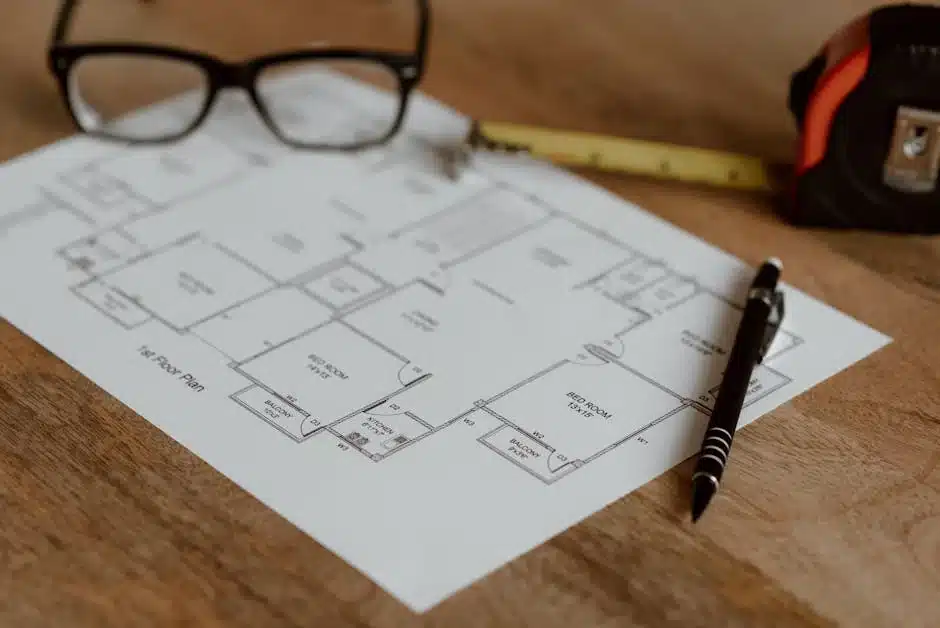
Philadelphia enforces strict permitting and inspection requirements through the Department of Licenses and Inspections (L&I). The city’s dense rowhomes, mixed-use buildings, and flood-prone areas near waterways mean inspections are not optional checkpoints – they directly affect whether lenders release funds. A draw schedule must align with the exact inspection stages required under current adopted codes.
- The Philadelphia Building Construction and Occupancy Code (Title 4) – Governs permits, inspections, and certificates of occupancy. Draw schedules should tie payments to required inspection approvals (footing, framing, MEP, final). Consequences of non-compliance include failed inspections, stop-work orders, and withheld lender funds.
- Pennsylvania Uniform Construction Code (UCC) – Adopted 2018 I-Codes (current enforcement as of latest state update) – Establishes statewide construction standards adopted by Philadelphia with local amendments. Your schedule should reflect inspection phases required under the UCC. Failure to comply may result in permit revocation or mandatory rework.
- Philadelphia L&I Building Permit Requirements – Requires approved plans before work begins and inspection sign-offs before occupancy. Draws tied to “substantial completion” must account for final inspection and certificate issuance. Skipping this can delay occupancy and revenue generation.
What Delays Funding and How to Prevent It
Most draw schedule problems stem from vague scopes and unrealistic sequencing. In Philadelphia, inspections can take several days to schedule depending on workload. If your schedule assumes immediate approval, your cash flow projections will be inaccurate. We’ve seen a mixed-use renovation where the owner scheduled back-to-back draws every 30 days without accounting for utility coordination and L&I framing inspections. When inspection corrections were required, the draw request was delayed nearly three weeks. The contractor had already ordered finish materials, creating a funding gap. To prevent this, structure your schedule around a logical build path:
- Pre-construction and permit approval
- Site work and foundation (footing inspection complete)
- Structural framing (framing inspection signed)
- MEP rough-ins (separate trade inspections)
- Insulation and drywall
- Finishes and substantial completion
- Final inspection and certificate of occupancy
Need Help Structuring Your Draw Schedule?
A clear draw schedule protects your investment, your lender relationship, and your construction timeline. If you’re planning a project in Philadelphia, we can review your contract, align milestones with permit requirements, and structure documentation that satisfies lenders and inspectors alike. We take a practical approach: site verification, milestone breakdown, inspection coordination, and transparent reporting. Whether you’re starting a new build or correcting a stalled project, our team can provide a straightforward evaluation and actionable recommendations. If you want a draw schedule that supports steady cash flow and minimizes risk, let’s have a conversation. A short consultation now can prevent costly funding delays later.
FAQs
What is the first step in How to Create a Construction Draw Schedule in Philadelphia?
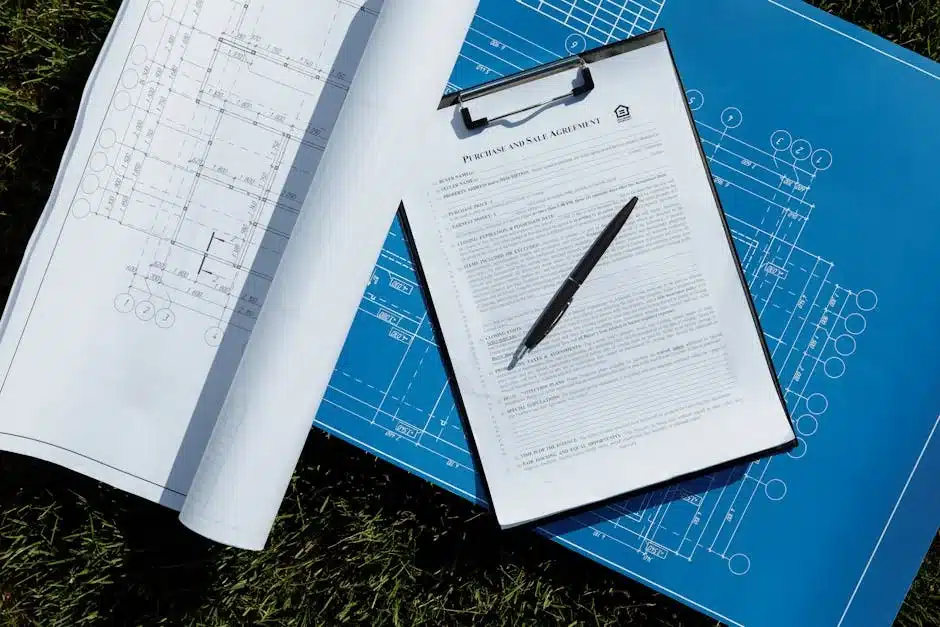
Start by reviewing the approved construction plans and permit documents issued by Philadelphia’s Department of Licenses and Inspections. Your draw schedule must mirror the actual scope submitted for permit. We recommend listing each major construction phase – site work, foundation, framing, mechanical, electrical, plumbing, finishes – and then breaking them into inspection-based milestones. Tie each milestone to documentation such as inspection approvals, contractor pay applications (AIA G702/G703 forms), lien waivers, and photo verification. Avoid percentage-only language like “50% complete.” Instead, define measurable achievements such as “Framing inspection approved by L&I.” In Philadelphia, aligning the draw schedule with inspection stages prevents lender disputes and funding holds. Establish retainage – typically 5 – 10% – to ensure punch list completion and final certificate of occupancy approval before full payment release.
How many draws should a typical Philadelphia construction project have?
The number of draws depends on project complexity, but most residential projects in Philadelphia include 5 – 8 draws. A small renovation might function with five milestones: permit approval, rough framing, rough MEP, drywall, and final completion. New construction often requires more detailed sequencing, especially when lenders require third-party inspections. Commercial projects may include 8 – 12 draws because separate trades must pass inspections before the next phase begins. Too few draws create large payment gaps and higher financial risk. Too many draws increase administrative costs and slow approvals. We typically recommend matching each draw to a meaningful inspection or trade completion milestone. That balance ensures accurate cash flow while maintaining accountability. Every draw should require signed inspection reports, updated schedule-of-values documentation, and conditional lien waivers before funds are released.
How long does it take to set up a construction draw schedule, and what does it cost?
Creating a structured draw schedule may take one to three weeks depending on project size and document readiness. If permits and approved plans are finalized, the schedule can be drafted quickly. If scope changes are ongoing, it may take longer to align milestones with actual construction sequencing. Professional oversight services in Philadelphia typically start around $2,500 and can exceed $10,000 for large commercial developments. Pricing fluctuates based on site complexity, material costs, and total scope. Additional factors include lender reporting requirements and the number of inspection stages required. Larger projects demand more documentation review and site verification. These figures are preliminary benchmarks for informational purposes only and do not constitute a binding quote. An on-site evaluation is required for a final proposal.
Can an owner create their own draw schedule without professional help?
Owners can draft a basic draw schedule if the project is small and lender requirements are minimal. However, larger residential builds and commercial projects benefit from professional oversight. Philadelphia’s inspection sequencing and permit rules can complicate milestone planning. Without experience, owners may overlook required sign-offs or fail to structure retainage properly. That oversight can lead to overpayment or lender rejection of draw requests. We’ve seen self-prepared schedules omit separate mechanical, electrical, and plumbing inspections, which delayed funding. If you proceed independently, use clear milestone descriptions, reference permit numbers, require lien waivers, and verify inspection approvals before payment. For projects involving financing, multiple trades, or phased occupancy, professional administration reduces financial and legal exposure.
What are warning signs that a draw schedule is poorly structured?
Watch for vague language such as “substantial completion” without defining what that includes. Another warning sign is payment requests that exceed the value of completed and inspected work. If inspection reports are missing or lien waivers are not collected, the schedule lacks proper controls. In Philadelphia, mismatches between inspection approvals and payment milestones often trigger lender scrutiny. Also be cautious if no retainage is held until final completion. A well-structured schedule clearly identifies each phase, references inspection approval, and includes documentation requirements. Regular site verification and updated cost tracking help ensure payments reflect actual progress. If draw requests consistently require revision or are delayed by lenders, that is a strong indicator the structure needs adjustment.
What challenges are unique to construction draw schedules in Philadelphia?
Philadelphia’s dense urban construction environment creates scheduling challenges. Rowhome renovations may involve shared walls, limited staging areas, and strict inspection oversight. Utility coordination and historic district approvals can also affect timelines. Weather-related delays during winter months may extend inspection wait times. Flood-prone areas may require additional compliance steps, which should be reflected in milestone sequencing. Another challenge is aligning lender inspection schedules with L&I inspections. If those inspections are not coordinated, draw approvals can stall. Projects in older buildings often uncover structural or code compliance issues mid-construction, requiring schedule adjustments. Building flexibility into the draw schedule – while maintaining documentation controls – helps account for these local realities.
What should I look for when hiring someone to manage draw schedules?
Look for professionals familiar with Philadelphia’s permitting process and the Pennsylvania Uniform Construction Code. They should understand inspection sequencing, lender documentation requirements, and contract administration practices. Ask whether they use standardized pay application forms such as AIA G702/G703 and whether they conduct on-site verification before approving draws. Insurance coverage and experience coordinating with lenders are essential. Request examples of how they structure retainage and handle change orders. A qualified professional should explain how they document progress with photographs, inspection approvals, and cost breakdown updates. Clear reporting systems and transparent communication protect both owners and contractors throughout the funding cycle.
When should I revise or update my construction draw schedule?
Update your draw schedule whenever the project scope changes, timelines shift significantly, or inspection requirements are modified. Change orders that alter structural elements, add square footage, or modify trade sequencing should trigger a review. In Philadelphia, if L&I requires additional inspections or corrections, the associated milestone should be adjusted before the next draw request. Watch for delays that push projected completion dates beyond original assumptions. Even without emergencies, prolonged inspection backlogs or material delivery delays justify updating the schedule. Proactive revisions prevent cash flow surprises. If documentation begins falling out of sync with actual progress, schedule a review before submitting the next payment request to avoid lender rejection.